

Preventive & Family Care
Mouth Guards in Jenkintown, PA
Custom-fitted protection for sport, and for grinding at night.
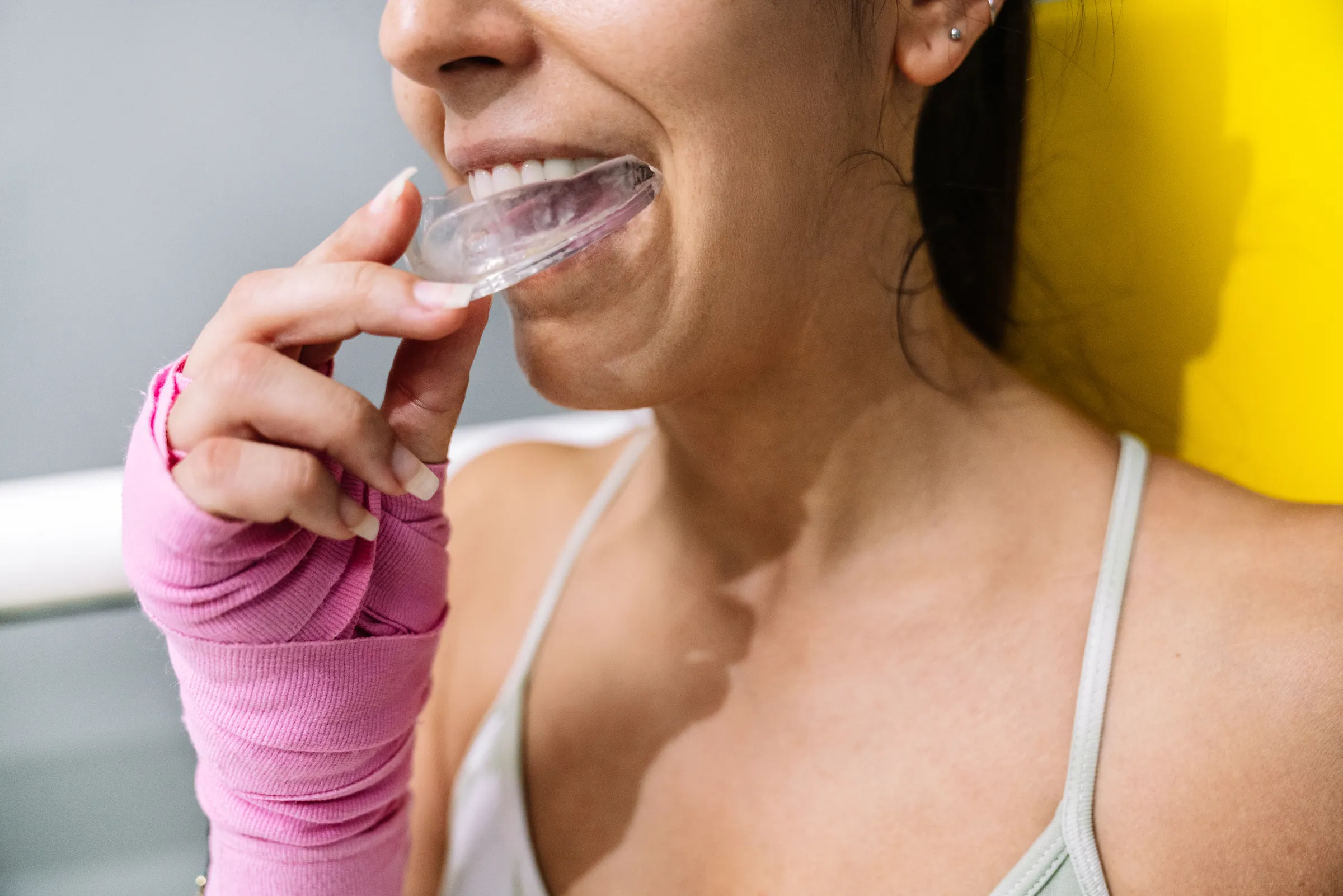
A mouth guard is a piece of dentistry that only ever gets judged by what did not happen. Made to your own teeth, it absorbs the force that would otherwise go into an enamel edge, a jaw joint, or a front tooth on a Saturday morning pitch.
Exceptional care for a lifetime of healthy smiles
Mouth guards at MVP Family Dental
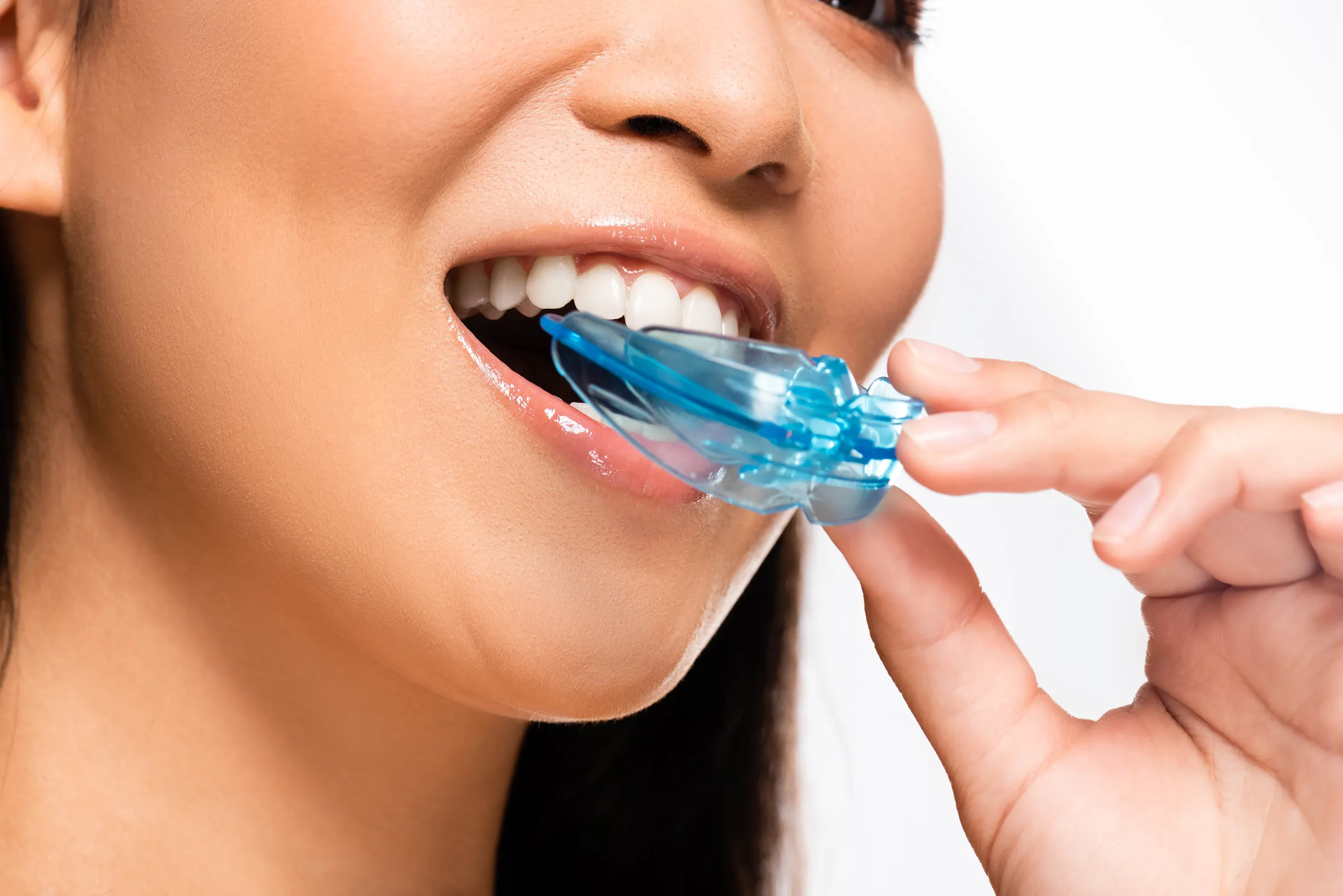
There are two quite different jobs here. A sports guard spreads a single large impact so it does not land on one tooth. A night guard separates the teeth so the slow, repeated force of grinding lands on acrylic instead of enamel.
Both are made from impressions or a scan of your own teeth, which is the difference between something that stays put and something you spend the game pushing back into place.
How one is made
Made to your teeth
A custom guard is built on a model of your mouth rather than molded over it, which is what lets it be thin where it can be and thick where it needs to be.
- Working out which guardSport and grinding need different thicknesses, different coverage and sometimes a different arch.
- Impressions or a scanWe record the shape of your teeth so the guard can be built on an accurate model.
- FabricationThe guard is made to that model, with the thickness set by what it has to protect against.
- Fitting and adjustingIt is tried in, the bite is checked, and the edges are adjusted until it seats without pressure points.
Which one you need
Two guards, two jobs
Telling us how it will be used matters more than anything else – it changes the design completely.
- Sports guardsThicker over the biting surfaces and extended to protect the front teeth from a single hard impact.
- Night guardsMade to hold the teeth slightly apart so grinding force is taken by the guard rather than by enamel.
- Guards for bracesDesigned around fixed appliances so the brackets are protected as well as the teeth.
- Children’s guardsRemade as the mouth changes – a guard that no longer fits a growing jaw is not protecting much.
Signs one would help
What we look for
Grinding is often reported by a partner before it is noticed by the person doing it. What we look for is the evidence it leaves: flattened edges, small chips, tooth surfaces that are polished shiny, and sensitivity that has no cavity behind it.
- Contact sportAny sport with a ball, a stick or another player is worth a guard, at any age.
- Waking with sorenessJaw or temple soreness first thing is a common sign of night-time grinding.
- Worn edgesFlattened, chipped or shiny biting surfaces are visible evidence of grinding.
Useful to tell us
- Which sport, and whether you wear braces.
- Whether anyone has heard you grind at night.
- Morning jaw soreness, headaches or tooth sensitivity.
- Whether you have worn a shop-bought guard and what went wrong with it.
Looking after it
Rinse, dry, keep it cool
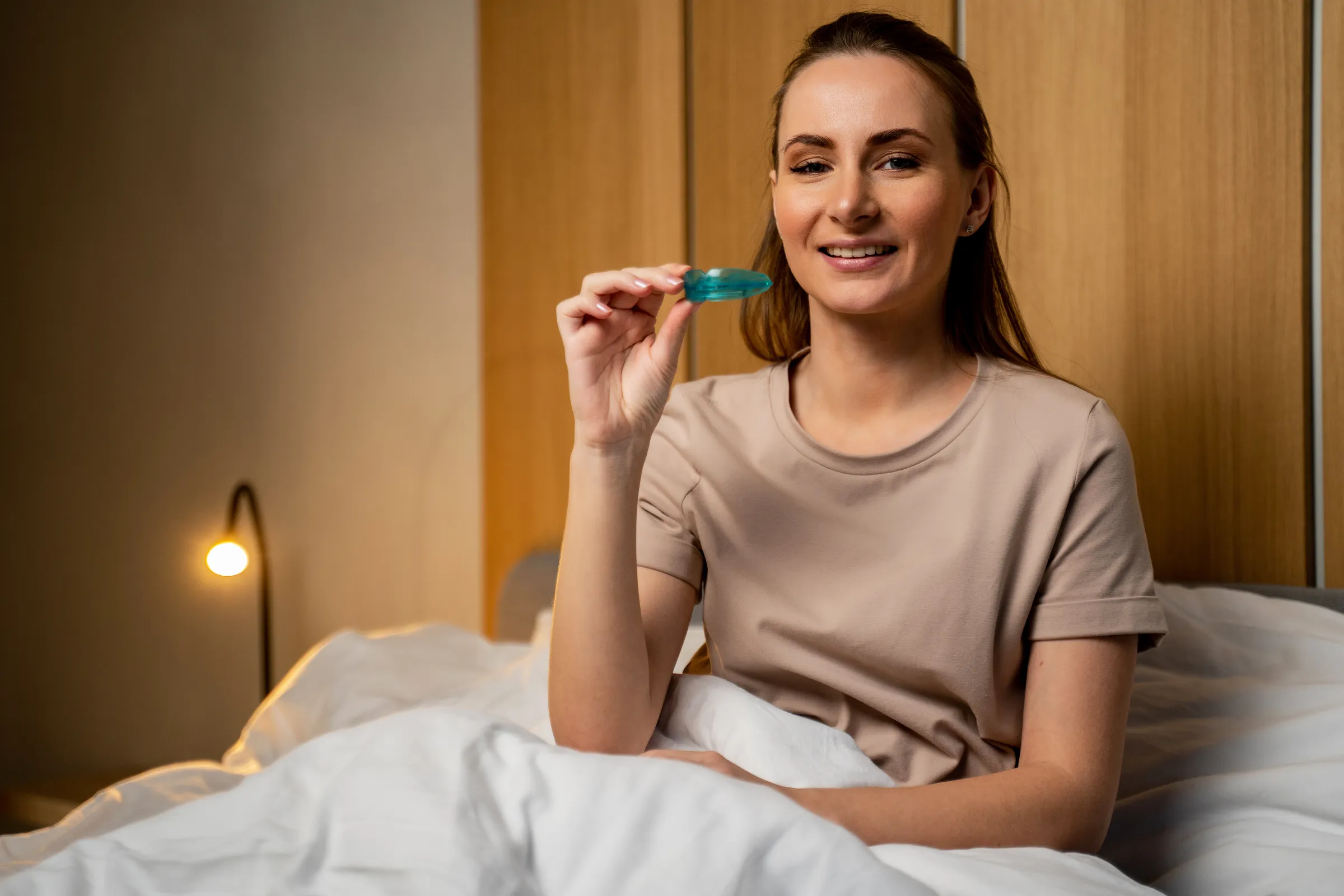
Rinse the guard after use, brush it with cool water, and let it dry before it goes back in its case. Hot water distorts the material, and a guard that has warped no longer fits the teeth it was made for.
Bring it to your routine visits. We check the fit, look at how it has worn – the wear pattern says a lot about the grinding underneath it – and remake it when it is past its useful life.
A guard is cheap protection for a front tooth. Replacing the front tooth is not.
MVP Family Dental · Jenkintown, PA

The short answer
A mouth guard is a custom-fitted appliance made from impressions or a scan of your own teeth, either to protect against sports injury or to protect the teeth from grinding and clenching at night. The two do quite different jobs: a sports guard spreads a single large impact so it does not land on one tooth, while a night guard holds the teeth slightly apart so the slow, repeated force of grinding is taken by the guard instead of by enamel. Being built on a model of your mouth rather than molded over it is what lets a guard be thin where it can be and thick where it needs to be.
Mouth Guard Questions
- What is the difference between a sports guard and a night guard?
- A sports guard is built to absorb one large impact and covers the front teeth generously. A night guard is built to take the slow, repeated force of grinding and to hold the teeth slightly apart. The two need different thicknesses, different coverage and sometimes a different arch. Telling us how the guard will be used changes the design completely.
- Why not use a boil-and-bite guard from a shop?
- They are molded over the teeth rather than built on a model of them, so they tend to be bulky, to loosen, and to be spat out or chewed through. A custom guard is built on a model of your mouth, which is the difference between something that stays put and something you spend the game pushing back into place. If you have tried a shop-bought one, tell us what went wrong with it.
- Will a night guard stop me grinding?
- No. It protects the teeth from the grinding rather than stopping the habit itself. Many people also find the jaw feels easier in the morning. The wear pattern on the guard tells us a good deal about the grinding underneath it.
- Can I wear one with braces?
- Yes, and it is worth doing for any contact sport. The guard is designed around the fixed appliance so it protects the brackets as well as the teeth. Tell us you wear braces when you book, since it changes the design.
- How do I clean it?
- Rinse the guard after use, brush it with cool water, and let it dry before it goes back in its case. Avoid hot water, which distorts the material. A guard that has warped no longer fits the teeth it was made for.
- How long does one last?
- It depends on how hard it is used. Bring it to your routine visits and we will check the fit, look at how it has worn, and tell you when it needs remaking. A guard that is past its useful life is not protecting much.
- Does my child need a new one each season?
- Often, yes. A growing jaw changes shape, and a guard that no longer seats properly is not doing much protecting. Children’s guards are remade as the mouth changes. Bring it along to routine visits so the fit can be checked.
- How do I get one made?
- Contact the office and tell us what it is for when you book, so the right design can be planned from the start. It helps to say which sport, whether you wear braces, whether anyone has heard you grind at night, and whether you get morning jaw soreness, headaches or tooth sensitivity. We then take impressions or a scan, the guard is made to that model, and it is fitted and adjusted until it seats without pressure points.

Dr. Vineetha Thomas, D.M.D.
LEARN MORE

Dr. Priya Mathew, D.M.D.
LEARN MORE