

Restorative Dentistry
Denture Repairs in Jenkintown, PA
Bring it in before you reach for the glue.
Dentures crack, chip and lose teeth, and the fit drifts as the mouth changes. All of it is repairable — but a household adhesive can turn a straightforward repair into a replacement, so it is worth a call first.
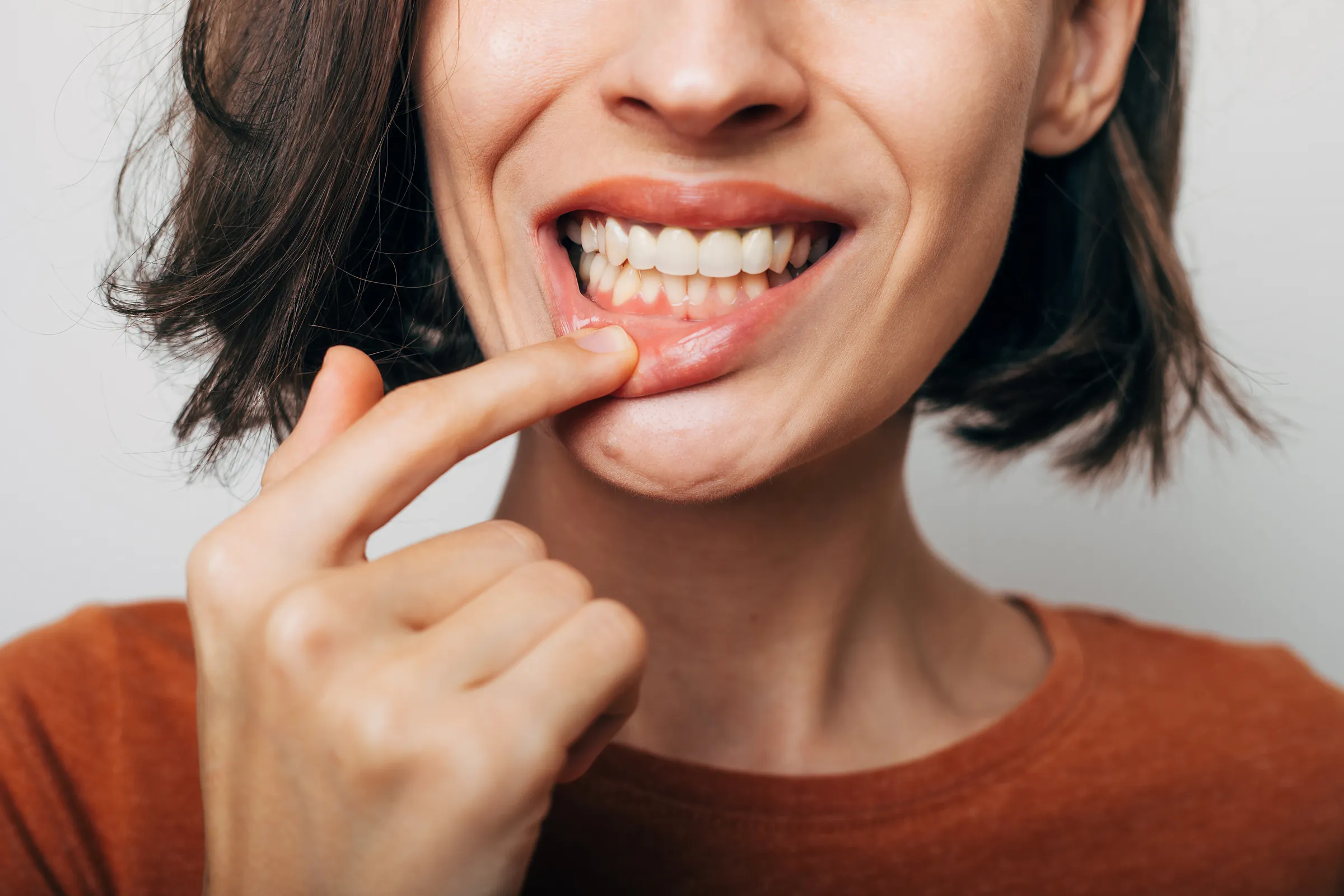
Exceptional care for a lifetime of healthy smiles
Denture repairs at MVP Family Dental
Mouths change over time, so a denture that has been worn for years will need attention at some point. Routine maintenance tends to prevent the larger problems, and small damage caught early is usually the cheapest thing to fix.
What we ask is that repairs come to us rather than being attempted at home. Superglue and similar products are difficult to remove and can leave a denture beyond repair.
Signs to act on
What is worth an appointment
Some of these are damage and some are fit. Both are worth being seen for.
- A loose fitA denture that slips or feels loose while eating or speaking can often be corrected with an adjustment or reline.
- DiscomfortPain, rubbing or a sore spot means the denture is not seating as it should.
- Visible damageA crack, a chip, or a tooth that has come away from the base.
- A change in speech or eatingOften the first sign that something has shifted, before it is visible.
How treatment works
Assessed, then repaired
The assessment establishes whether the problem is the denture, the fit, or the tissue underneath — because the answer changes the treatment.
- Bring it inBring the denture and any pieces, without attempting a repair yourself.
- AssessmentWe look at the damage, the fit and the gums and ridge the denture rests on.
- Repair or adjustDamage is repaired; a fit problem is corrected by adjustment or relining.
- Check and refineThe denture is refitted, pressure points relieved and the bite checked.
Prevention
Routine maintenance costs less
Most denture emergencies are the end of a slow process. Regular reviews catch the fit changing before something breaks because of it.
- Regular reviewsThe fit and the tissue underneath are checked before problems become damage.
- Careful handlingCleaning over a towel or water prevents most breakages.
- No home repairsHousehold adhesives can make a denture unrepairable.
Bring with you
- The denture and every piece of it.
- Any spare denture you have.
- Roughly when the damage happened, or when the fit changed.
- Details of any adhesive or product you have applied.
Two generations of dentists, one shared commitment to helping Jenkintown families eat, speak and smile with confidence.
MVP Family Dental · Jenkintown, PA

The short answer
Denture repair is the professional repair and adjustment of a damaged, cracked or ill-fitting denture, restoring function and comfort. Dentures crack, chip and lose teeth, and the fit drifts as the mouth changes shape, so a denture worn for years will need attention at some point. Repairs should come to us rather than being attempted at home, because household adhesives are difficult to remove and can leave a denture beyond professional repair.
Denture Repair Questions
- Can I repair a denture at home?
- Please do not. Household adhesives are hard to remove and can leave a denture beyond professional repair, turning a straightforward job into a replacement. Bring the denture in with all the pieces instead. Tell us about any adhesive or product you have already applied.
- My denture feels loose. Is that a repair?
- Usually it is a fit problem rather than damage, and adjustment or relining is the answer. A denture that slips while eating or speaking can often be corrected that way. The assessment establishes which it is, because the answer changes the treatment.
- A tooth has come off the denture. Can that be fixed?
- Often yes. Bring the denture and the tooth in and we will look at it. Do not attempt to reattach it yourself, because household adhesives can make the denture unrepairable. Visible damage such as a crack, a chip or a tooth coming away from the base is always worth an appointment.
- How long does a repair take?
- It depends on what has happened. We will tell you at the assessment, once we can see the damage and the fit. Bring every piece of the denture, and any spare you have, so the whole picture is there.
- Should I keep wearing it?
- If it is causing pain or rubbing, stop and call us. Continuing to wear an ill-fitting denture tends to make the tissue underneath worse. Pain, rubbing or a sore spot means the denture is not seating as it should.
- Do I need a whole new denture?
- Not necessarily. Many problems are repairs, adjustments or relines rather than replacements. Replacement is a judgment made from the condition of the denture and the fit. The assessment is what settles it.
- How do I avoid this happening again?
- Handle the denture over a folded towel or a sink part-filled with water when cleaning, since most denture damage happens outside the mouth. Keep to your review appointments so a drifting fit is caught before something breaks because of it. Most denture emergencies are the end of a slow process.
- Do you repair dentures made elsewhere?
- Yes. Bring it in along with any records you have from the practice that made it. It also helps to know roughly when the damage happened, or when the fit changed.

Dr. Vineetha Thomas, D.M.D.
LEARN MORE
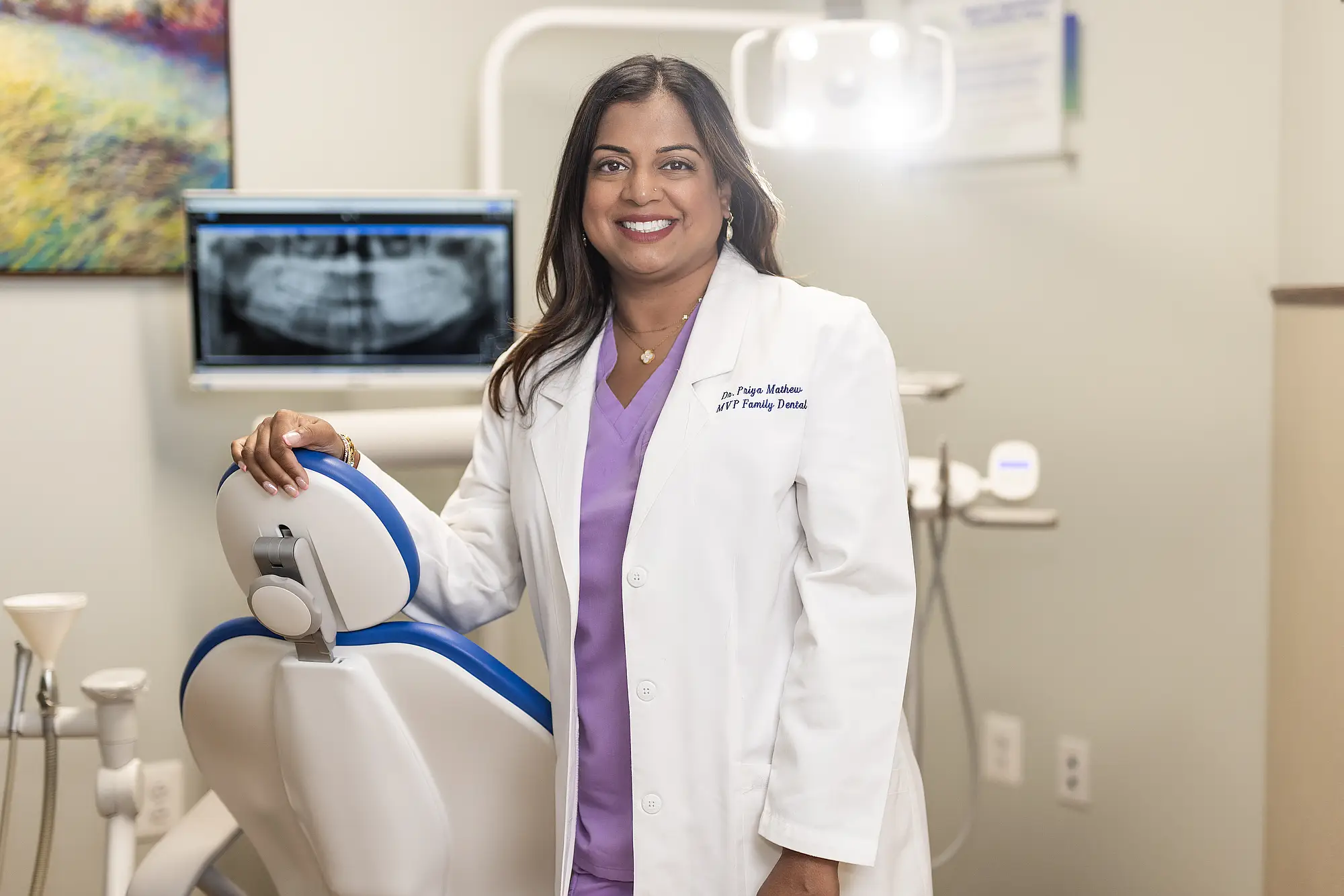
Dr. Priya Mathew, D.M.D.
LEARN MORE