

Restorative Dentistry
Inlays and Onlays in Jenkintown, PA
More than a filling, less than a crown.
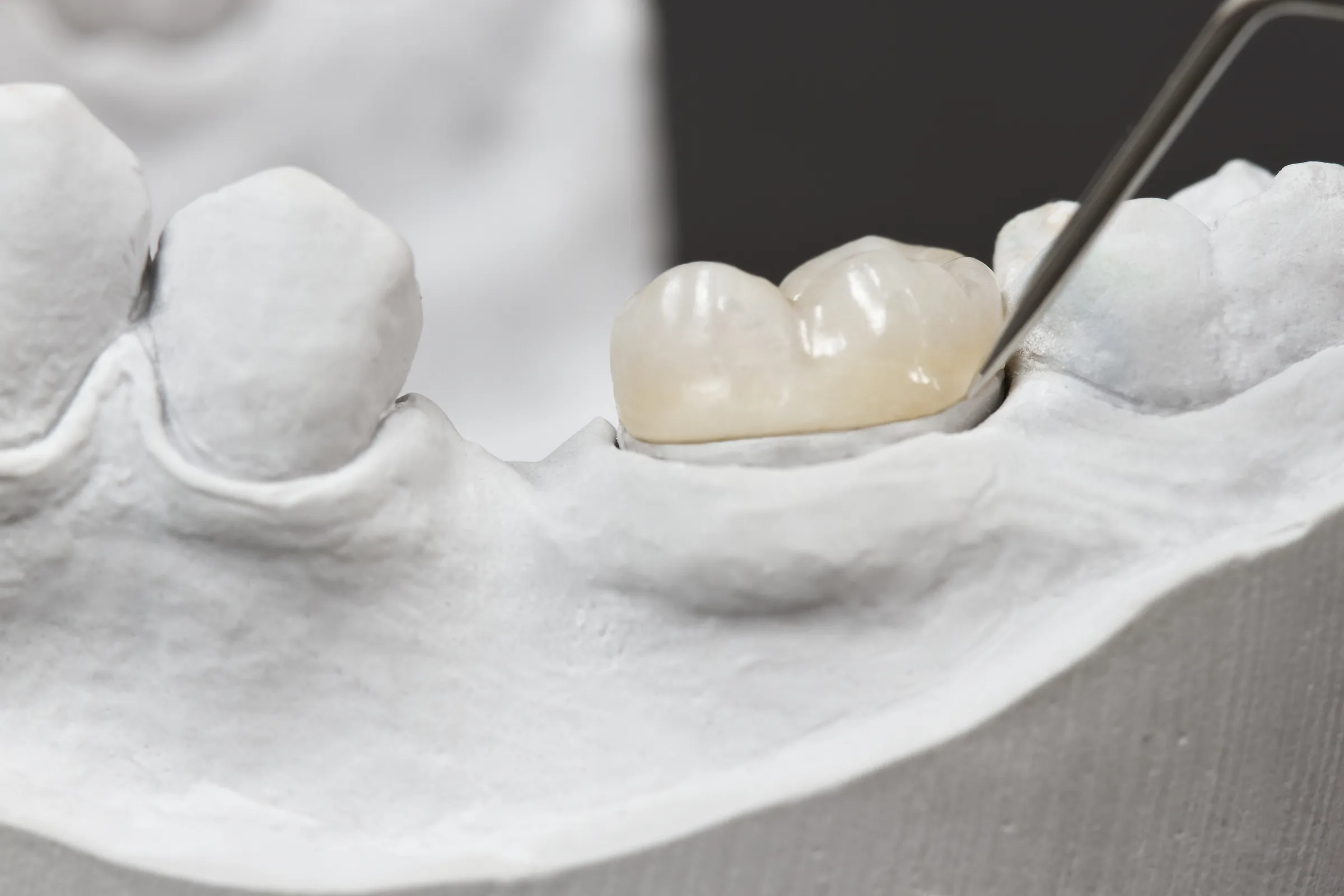
An inlay or onlay is a custom restoration made outside the mouth and then fitted to the tooth. It is used where a filling would not be strong enough but a full crown would remove more tooth than necessary.
Exceptional care for a lifetime of healthy smiles
Inlays and onlays at MVP Family Dental
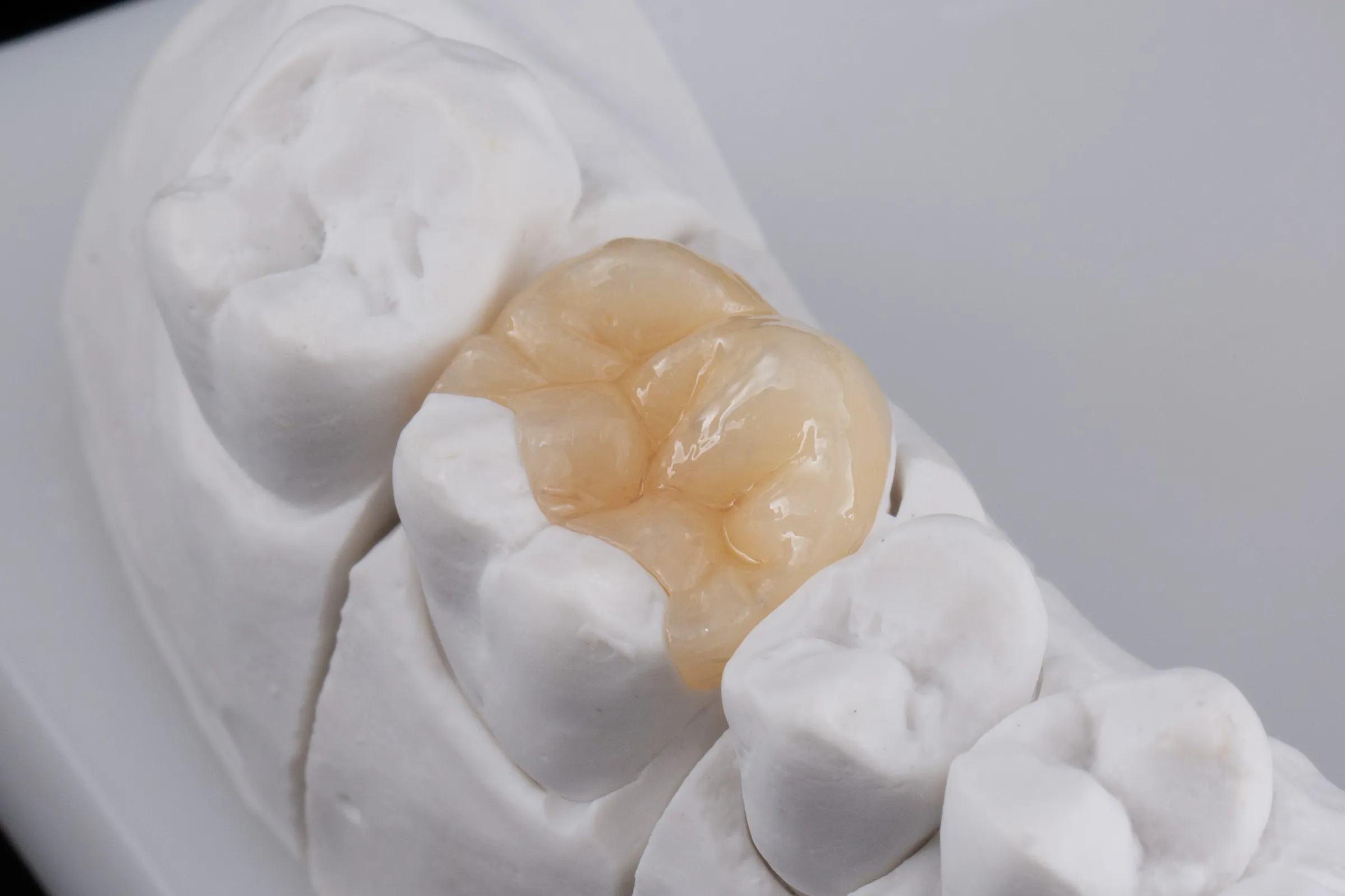
The difference between the two is how much of the tooth they cover. An inlay sits within the cavity. An onlay does the same but extends over one or more of the cusps on the biting surface.
Both are made from tooth-colored materials, so they do not have the appearance of the older silver and gold restorations they often replace.
The difference
Where each one stops
Which is appropriate depends on how much of the tooth has been lost and where.
- InlayFits within the cavity, replacing tooth structure lost to decay in a contained area.
- OnlayCovers the cavity and extends over one or more cusps on the chewing surface.
- Tooth-colored materialsPorcelain, ceramic or dental composite, shaded to sit with the teeth around it.
- Made to fitEach one is made for your tooth rather than shaped at the chair.
How treatment works
Prepared, made, then fitted
Because the restoration is made outside the mouth, treatment usually runs over more than one appointment.
- AssessmentWe look at how much tooth structure has been lost and whether an inlay, an onlay or a crown is appropriate.
- Preparing the toothThe damaged tissue is removed and the tooth shaped to receive the restoration.
- Impressions or a scanA record of the prepared tooth is taken so the restoration can be made to fit it.
- FittingThe finished inlay or onlay is bonded into place and the bite checked and adjusted.
When it is the right choice
Between a filling and a crown
The decision is about how much sound tooth is left. Keeping as much of your own tooth as possible is generally the aim.
- Too big for a fillingWhere the remaining tooth would not reliably support a direct filling.
- Not enough loss for a crownWhere a full crown would mean removing sound tooth structure unnecessarily.
- Replacing older workA common reason patients ask, particularly where old silver fillings are involved.
Worth bringing to your appointment
- Any sensitivity to temperature or to particular foods.
- Which tooth is bothering you and for how long.
- Any X-rays or records from a previous dentist.
- Whether appearance or strength matters more to you.
Two generations of dentists, one shared commitment to helping Jenkintown families eat, speak and smile with confidence.
MVP Family Dental · Jenkintown, PA

The short answer
An inlay or onlay is a custom tooth-colored restoration made outside the mouth from porcelain, ceramic or composite and then bonded into a prepared tooth. It sits between a filling and a full crown in coverage: an inlay fits within the cavity, while an onlay does the same but extends over one or more of the cusps on the biting surface. It is used where a filling would not be strong enough but a full crown would remove more sound tooth than necessary.
Inlay and Onlay Questions
- What is the difference between an inlay and an onlay?
- An inlay fits within the cavity in the tooth. An onlay does the same but also extends over one or more of the cusps on the chewing surface, so it covers more of the tooth. Which is appropriate depends on how much of the tooth has been lost and where. Both are made to fit your prepared tooth rather than shaped at the chair.
- How are they different from a filling?
- A filling is placed and shaped directly in the tooth. An inlay or onlay is made outside the mouth to fit the prepared tooth and then bonded in, which is why it usually takes more than one appointment. That is also what allows it to support a tooth where a direct filling would not hold reliably.
- What are they made from?
- Tooth-colored materials: porcelain, ceramic or dental composite, shaded to blend with the teeth around them. That means they do not have the appearance of the older silver and gold restorations they often replace. Which material suits depends on where the tooth is and on whether appearance or strength matters more to you.
- Can they replace old silver fillings?
- Yes, and they are often used that way. It is a common reason patients ask, particularly where the existing filling is large and the remaining tooth would benefit from more support than another direct filling would give. The tooth-colored material also changes the appearance of a back tooth noticeably.
- Why not just fit a crown?
- A crown covers the whole tooth, which means removing more sound tooth structure. Where an inlay or onlay will do the job, it keeps more of your own tooth, and keeping as much of your own tooth as possible is generally the aim. The decision comes down to how much sound tooth is left.
- How many appointments does it take?
- Usually more than one, because the restoration is made outside the mouth to fit the prepared tooth. The damaged tissue is removed and the tooth shaped, then a record is taken by impression or scan. The finished inlay or onlay is bonded into place at a later appointment, with the bite checked and adjusted.
- Will it be sensitive afterwards?
- Some sensitivity after any restoration is not unusual, and it generally settles. Tell us if it is not settling, because the bite may need adjusting. Any sensitivity to temperature or to particular foods is worth mentioning at the appointment.
- How do I know which I need?
- It depends on how much tooth structure has been lost and where. That is decided at the appointment from an examination and imaging rather than in advance. It helps to say which tooth is bothering you and for how long, and whether appearance or strength matters more to you.

Dr. Vineetha Thomas, D.M.D.
LEARN MORE

Dr. Priya Mathew, D.M.D.
LEARN MORE