
Full-mouth rehabilitation, also called full-mouth reconstruction, is a comprehensive approach to restoring the health, function, and appearance of your smile. Rather than addressing one tooth at a time, this process looks at your entire mouth and creates a coordinated plan to rebuild or repair multiple concerns. For patients dealing with significant dental issues, this type of care can provide a path back to comfortable chewing, clearer speech, and renewed confidence.
Because full-mouth rehabilitation involves multiple treatments, it is carefully planned and completed in phases. Each step is designed to improve oral health while supporting long-term stability. Understanding how the process works can help you feel more prepared and confident if this treatment is recommended for you.
What Is Full-Mouth Rehabilitation?
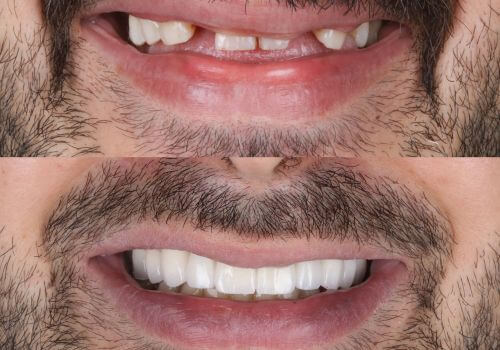
Full-mouth rehabilitation is a personalized combination of restorative, cosmetic, and sometimes surgical dental procedures. The goal is to restore proper function while improving the appearance of your teeth and gums. Treatment plans often include a mix of crowns, bridges, dental implants, dentures, orthodontics, or periodontal therapy.
This approach is not a one-size-fits-all solution. Your dentist will evaluate your specific needs and design a treatment plan tailored to your oral health condition, lifestyle, and goals. In many cases, the process focuses first on stabilizing oral health before moving on to rebuilding and enhancing your smile.
Common Treatments Used in Full-Mouth Reconstruction
- Dental crowns to strengthen and protect damaged teeth
- Dental implants or bridges to replace missing teeth
- Periodontal therapy to treat gum disease
- Orthodontic treatment to correct alignment and bite issues
- Occlusal adjustments to improve how teeth come together
Who Might Need Full-Mouth Rehabilitation?
Full-mouth rehabilitation is typically recommended for patients with complex or widespread dental concerns. These issues often affect not only the appearance of the teeth but also the ability to chew and speak comfortably.
When multiple problems exist at the same time, treating them individually may not provide lasting results. A comprehensive plan allows your dentist to address the underlying causes while rebuilding your smile in a balanced and functional way.
Common Reasons for Full-Mouth Reconstruction
Patients may benefit from full-mouth rehabilitation if they experience:
- Extensive tooth decay or worn teeth
- Multiple missing teeth due to injury or disease
- Chronic jaw pain or bite misalignment
- Advanced gum disease affecting tooth stability
In some cases, long-term habits such as teeth grinding can contribute to widespread damage. A comprehensive approach allows your dentist to not only repair the damage but also address contributing factors to help protect your results.
What to Expect During the Full-Mouth Rehabilitation Process
The process begins with a detailed evaluation of your oral health. This may include digital X-rays, photographs, and impressions of your teeth. Your dentist will also discuss your concerns, goals, and expectations to ensure your treatment plan aligns with your needs.
From there, a phased treatment plan is created. Each phase builds on the previous one, allowing your mouth to heal and adjust as needed. The timeline can vary depending on the complexity of your case, but careful planning helps ensure predictable and lasting outcomes.
Typical Steps of Treatment
While every case is unique, full-mouth rehabilitation often follows a general sequence:
| Phase | Purpose |
|---|---|
| Evaluation and Planning | Assess oral health and create a customized treatment plan |
| Stabilization | Treat decay, infection, or gum disease |
| Restoration | Repair or replace teeth using crowns, implants, or bridges |
| Alignment and Bite Correction | Improve how teeth fit together for proper function |
| Final Adjustments | Refine aesthetics and ensure comfort and stability |
Addressing foundational issues first is essential. For example, gum disease or infection must be treated before placing restorations. This approach supports better healing and helps protect the long-term success of your treatment.
Benefits of Full-Mouth Rehabilitation for Oral Health
Full-mouth rehabilitation can provide meaningful improvements in both function and appearance. Patients often notice better chewing ability, reduced discomfort, and a more balanced bite after treatment is complete.
In addition to restoring teeth, this process supports overall oral health. When teeth are properly aligned and supported, they are easier to clean and maintain, which may reduce the risk of future dental problems.
The American Dental Association (ADA) emphasizes the importance of maintaining oral health as part of overall well-being, noting that oral conditions can affect daily activities such as eating and speaking.
How Long Does Full-Mouth Reconstruction Take?
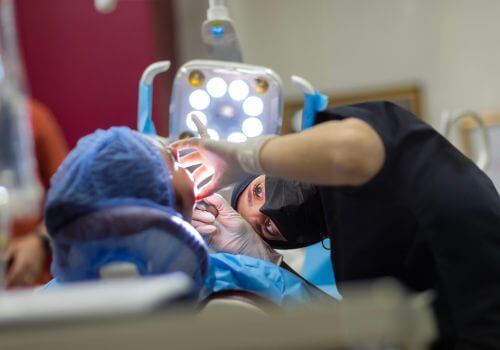
The length of treatment varies depending on the number and type of procedures involved. Some patients complete treatment in a few months, while others may require a longer timeline, especially if healing periods are needed between procedures.
Your dentist will outline a realistic schedule during the planning phase. Regular follow-up visits are an important part of the process, allowing adjustments as needed and ensuring your treatment stays on track.
Factors That Can Affect Treatment Time
Several factors influence how long full-mouth rehabilitation takes:
- The severity of dental damage or disease
- The need for surgical procedures such as implants
- Healing time between treatment phases
- Patient-specific goals and preferences
While the process may take time, a carefully planned approach helps ensure that each step supports a stable and lasting result.
Maintaining Your Results After Treatment
After completing full-mouth rehabilitation, maintaining your results becomes a key priority. Good oral hygiene habits, including brushing twice daily and flossing, help protect your investment and support long-term oral health.
Regular dental check-ups are equally important. Your dentist can monitor your restorations, check your bite, and address any concerns early. In some cases, a nightguard or other protective appliance may be recommended to help prevent wear or damage.
With consistent care and professional guidance, many patients are able to enjoy the benefits of their restored smile for years to come.
Take the First Step Toward a Healthier Smile
If you are experiencing multiple dental concerns, full-mouth rehabilitation may offer a comprehensive solution. A personalized treatment plan helps restore function, improve comfort, and enhance the appearance of your smile.
Scheduling a consultation is the best way to understand your options. Your dentist can evaluate your needs and guide you through the process, helping you make informed decisions about your oral health.
If you have questions, we would love to answer them for you. Please give us a call at the office at (215) 274-0169, or you can email us at [email protected]. Our staff would love to talk with you!
Don't forget to follow us on social media Facebook, Instagram.